
"It's a Reverse Metal Gear!"
The problems with pitches
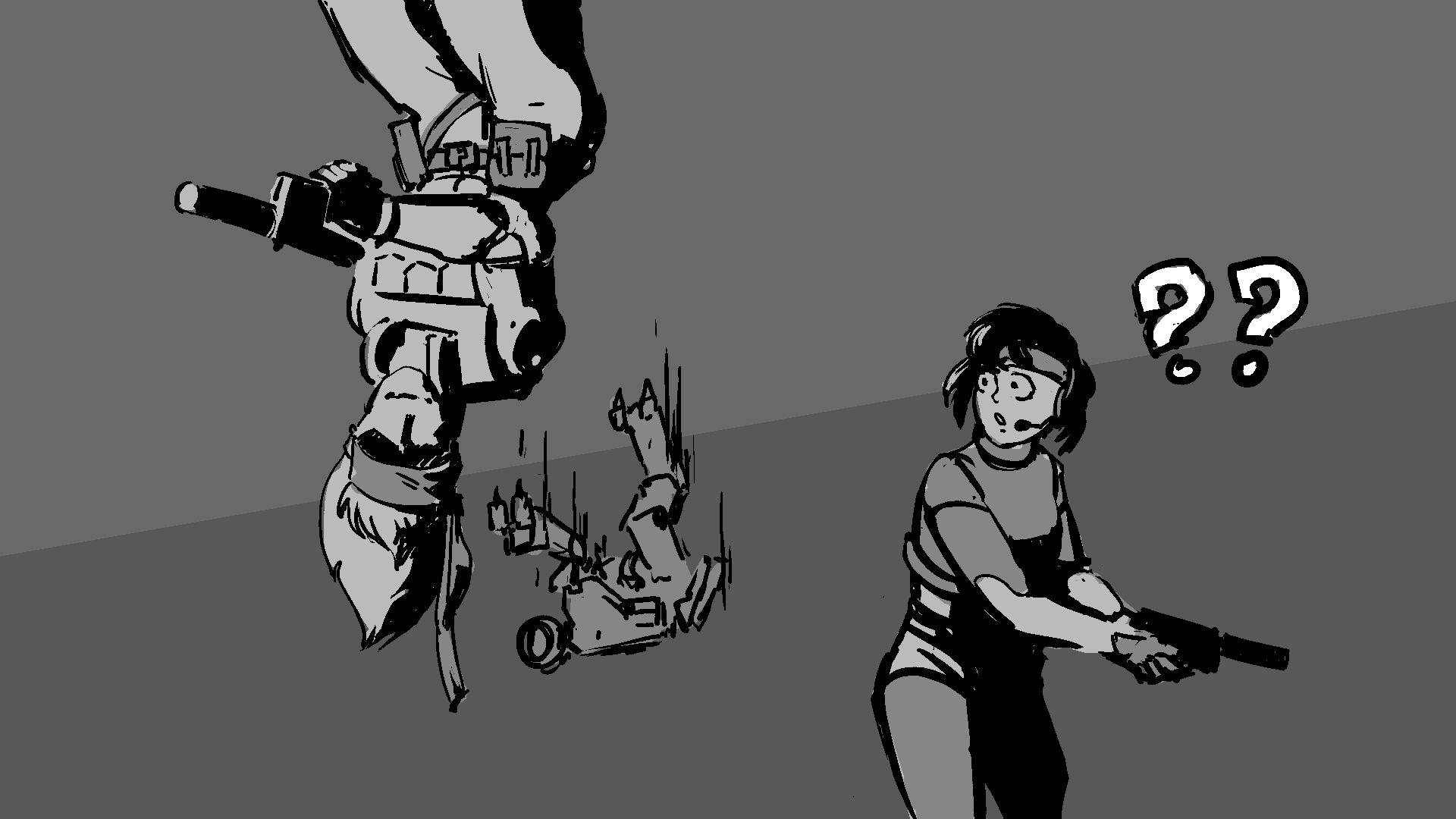
“What is Burn-9? Why, it’s a Reverse Metal Gear!” What a heady phrase… I’ve been saying it a lot over the last year.
Greetings, fellow tacticool enthusiasts! I’m the studio head of 14 Hours Productions, Matthew Ritter, and the director of Burn-9!!! I’m the one who is most required to have some kind of “vision” of what the project is. Sometimes more important than game vision is finding a way to get people to ‘get’ that vision as fast as possible.
“Reverse Metal Gear” has been the single most potent pitch I’ve found when it comes to grabbing people’s attention. While Burn-9 has always been heavily inspired by Metal Gear, I hadn’t intended for that to be its ‘elevator pitch phrase’. However, I was at Tokyo Game Show pitching my studio’s games to anyone and everyone who would have a meeting with me. I messaged every single person who was going to the show that had a tag even remotely close to “producer” or “investor”. Every last one.
Eventually, I’m sitting at a small table with a very nice producer working through a company that has direct connections to Nintendo. Sweaty and surrounded by infinite bodies, I’m pitching my games. Teddy Bear chases a little girl? Sci-fi shmup rhythm game? I go on for about twenty minutes, and as I’m winding down I’m hit with the most terrifying statement someone in my position can hear.
“Very interesting… anything else?”
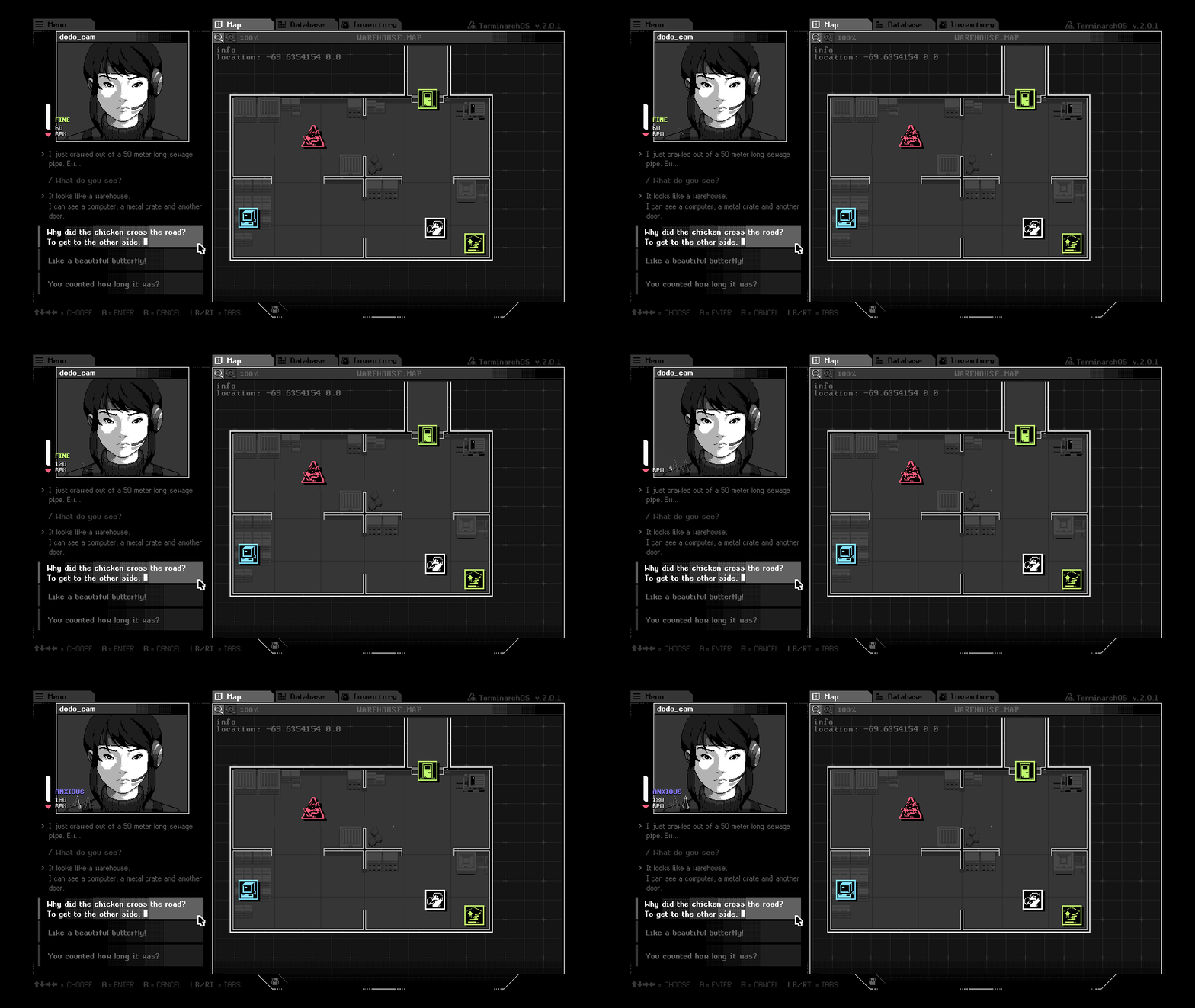
I was sent into an immediate existential crisis. I had been working on Burn-9 a bit and I had a VERY terrible mockup of the worst test level imaginable. So, I told him “Oh, I have something that’s kind of like a Reverse Metal Gear.”
“Oh, Reverse Metal Gear? Tell. Me. More.”
The shift in energy was palpable. Suddenly, he was FASCINATED. He had to know more, he had to know EVERYTHING. I realized that if someone who worked so deep in the industry was interested in that, everyone would be. I spent the rest of the show pitching Burn-9, and everyone wanted to hear more.
“Reverse Metal Gear” is a good soundbite, but it doesn’t really mean anything. You can’t actually make the opposite of a game. It’s also a loaded phrase, one full of assumptions. Some people have thought it meant you played as the bad guys, or maybe that you’re the general in charge of the action. Also of course, it ties the game VERY strongly to Metal Gear, which was one of the big inspirations, but not the only one.
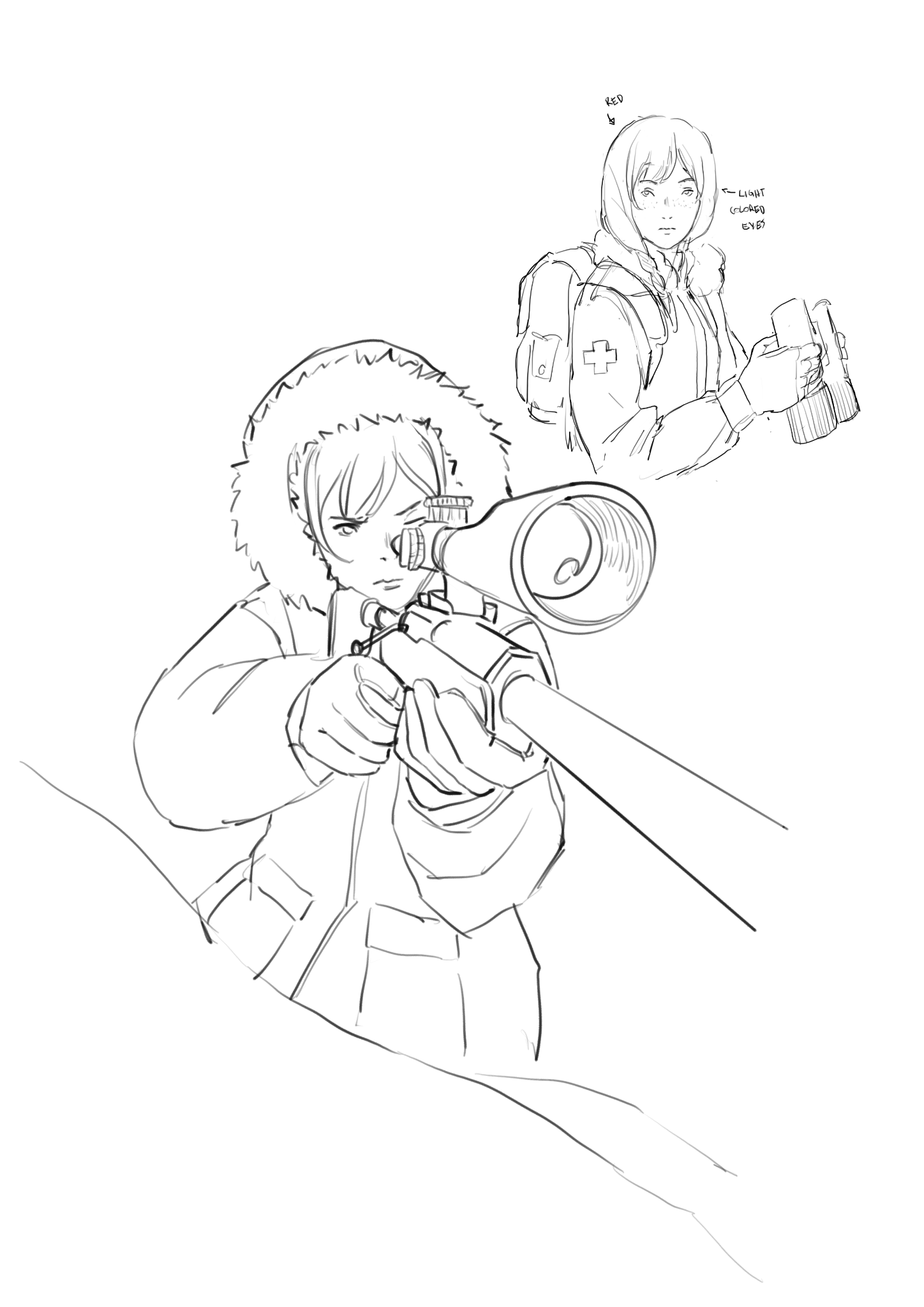
For those of you that have only just come out of a pre-1998 coma, Metal Gear is a series of games in which a lone operative behind enemy lines must attempt to accomplish near-impossible missions, with little more support than the words of their eccentric mission control and the various weirdos they meet along the way, delivered via radio (or “codec”). While the series has its roots in the 80s, it was with Metal Gear Solid on the PS1 that the franchise truly made its mark and changed gaming forever.
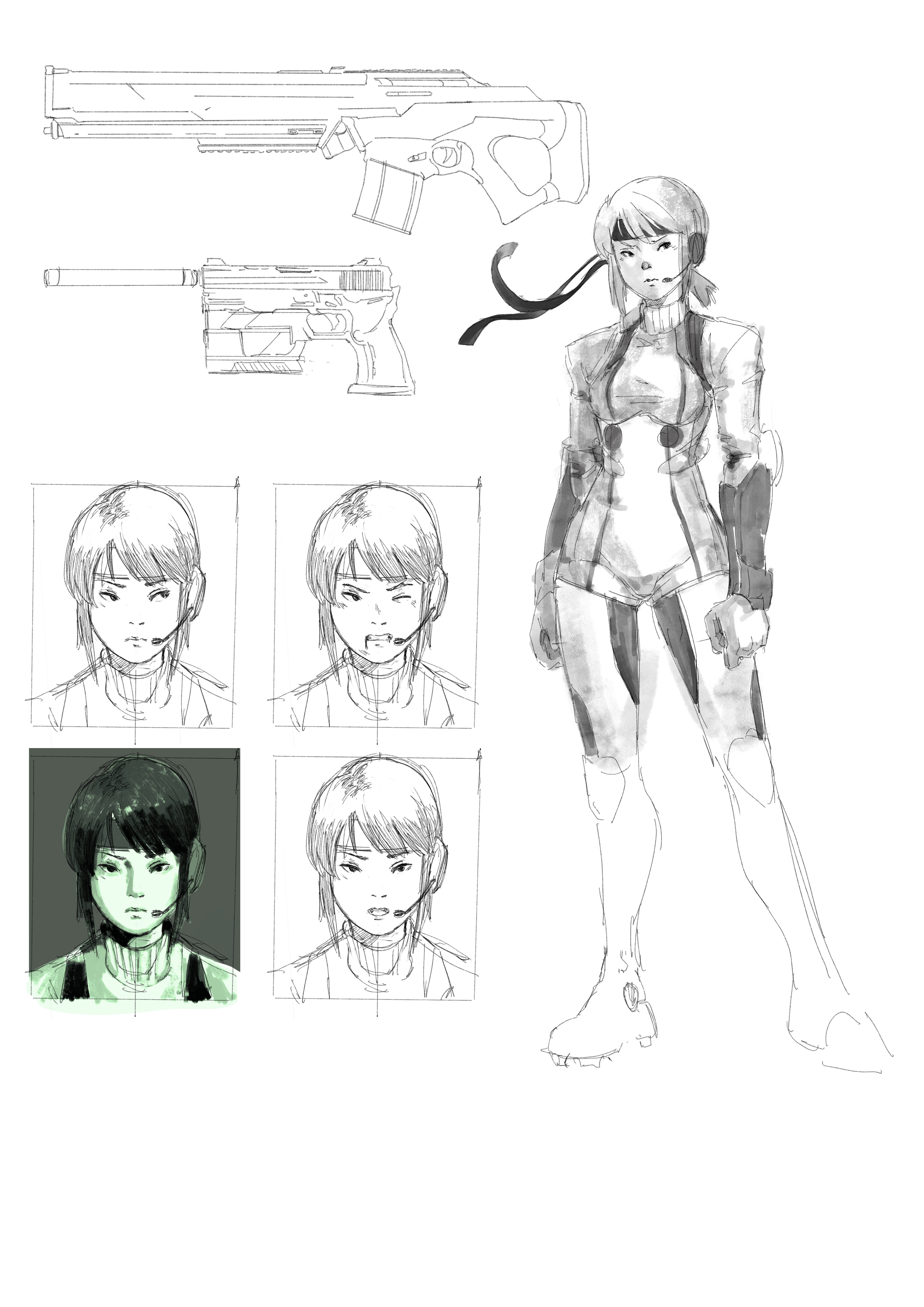
In Burn-9, you’re the one on the other end of the codec. You’re the voice on the radio. If you’re familiar with the games, think Mei Ling, Sigint, or Otacon. You’re the one doling out advice, directing the agent, and going on non sequiturs. This makes Burn-9 much more a UI or management game than it makes it a Metal Gear like. Gameplay wise there’s more in common with Papers Please than the moment to moment gameplay of Metal Gear.
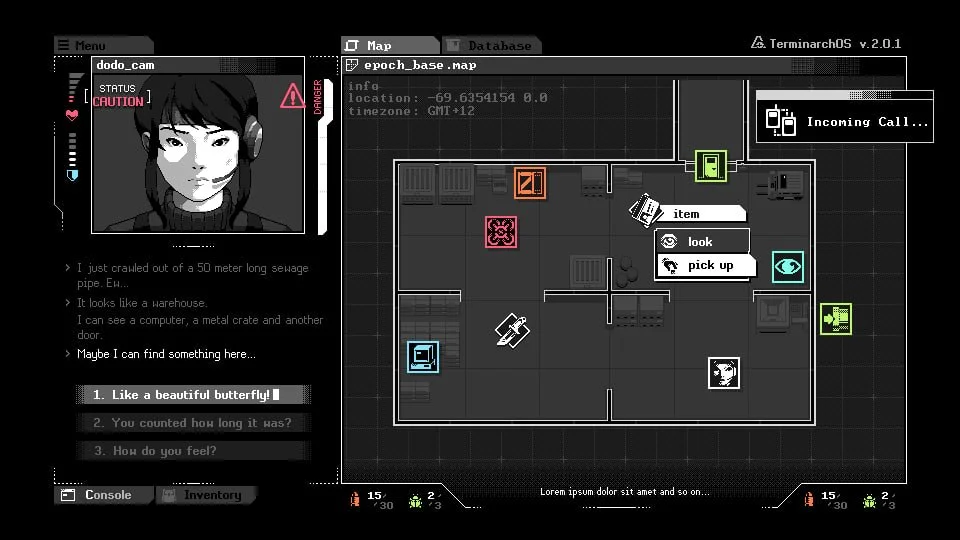
But, in many ways, the games do feel like mirrors of one another. Turn based vs real time, a lack of control, management over action. Perhaps most pertinently, the Metal Gear franchise often delivers its story via non-interactive cutscenes and conversations. Conversely, Burn-9 is steeped in choices that steer the gameplay and plot, something that is owed to its roots in visual novels and adventure games.
The truth is, in the same way Metal Gear was inspired by 80s action movies, Burn-9 is inspired by the dark, “tacticool” thrillers common to the gaming landscape of the 90s and 00s. Metal Gear Solid of course, but also games like Syphon Filter, Iron Helix (the REAL inspiration for this entire project), and Rainbow Six…along with 80s action movies and anime… 60s and 70s pulp fiction… I can sit here and list inspirations for hours.
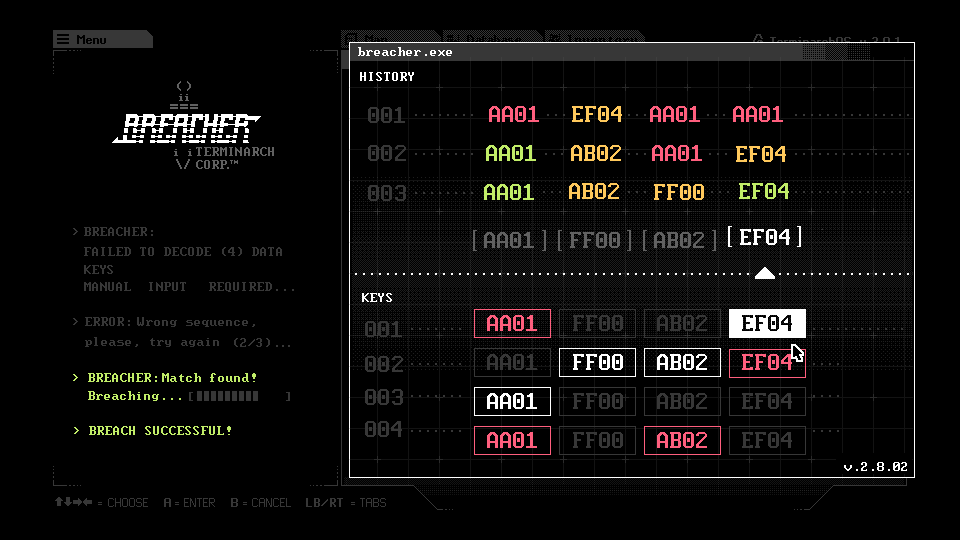
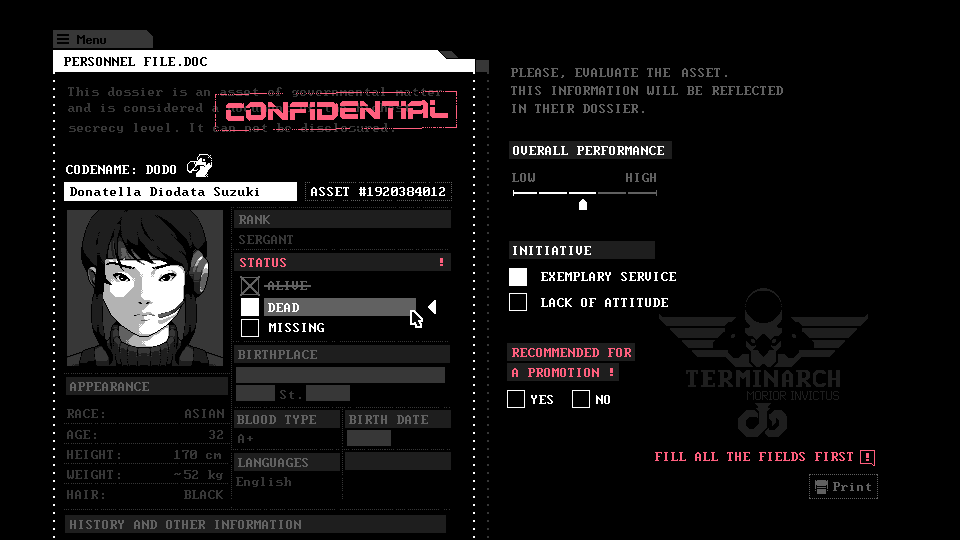
Tone was the reason why Burn-9 ended up the way it did. Few things made more sense to me than trying to explore a dark political thriller from the perspective of a middle manager in the military. Far from the action on the ground, and in no position to truly call the shots or make decisions, that special kind of powerlessness is what makes the concept of Burn-9 pop for me.
I hope in the end the people who play it agree. Though “Reverse Metal Gear” is what this game is so often billed as, it is meant merely as a frame of reference and a sign of respect to the truly titanic influence that franchise has had on gaming and pop culture as a whole. Burn-9 stands on the shoulders of giants, and it is my hope that this game brings even a fraction of the fun and intrigue that those games before it did.
Until next time, 14 Hours out.